
Fleet insurance
Cover options for businesses running company cars, vans, HGVs and mixed fleets, with one policy and one renewal date.
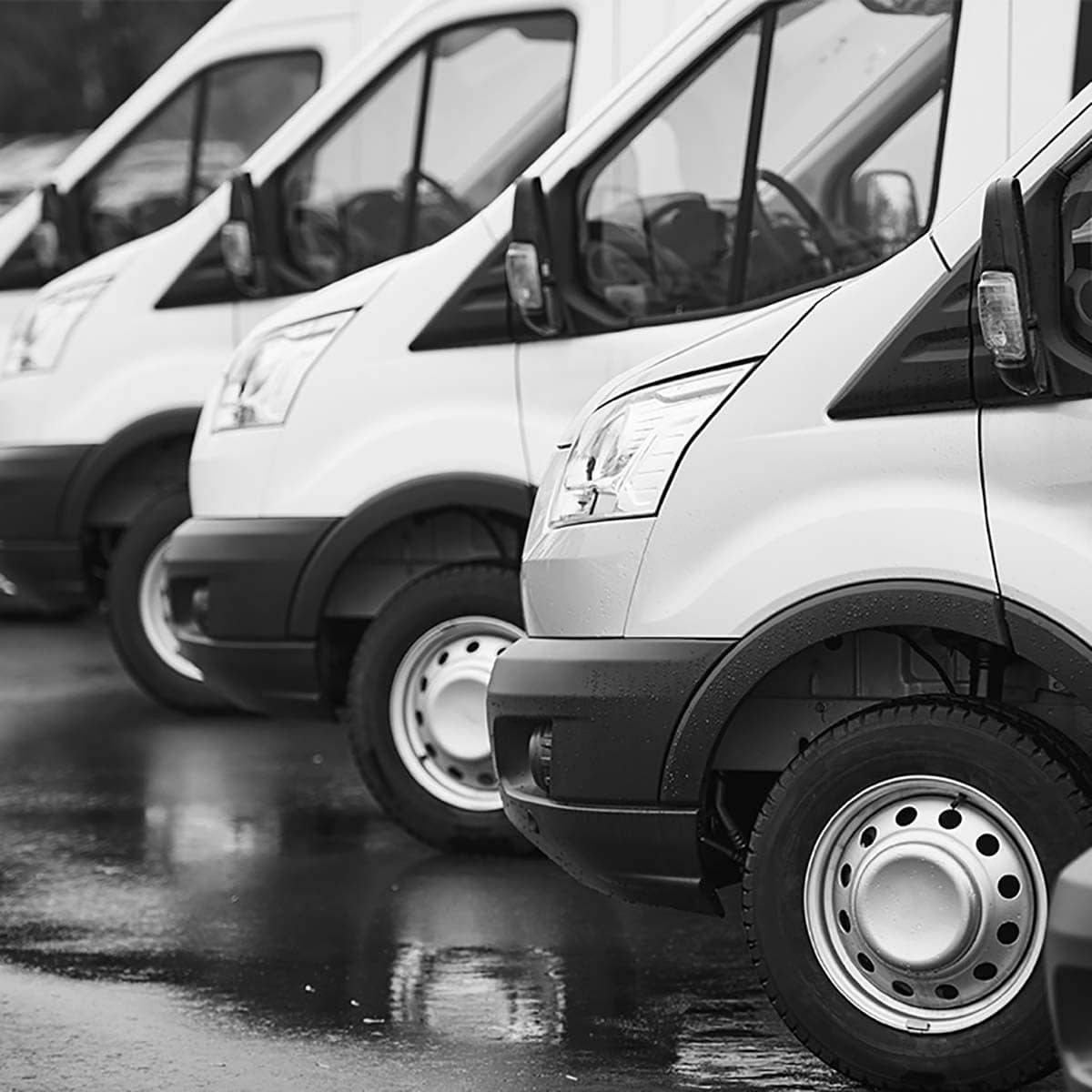
What is fleet insurance?
Fleet insurance covers several business vehicles under one motor policy, with one renewal date, instead of a separate policy for each vehicle. A fleet may be cars, vans, lorries, minibuses or a mix. Policies usually combine the motor cover the law requires with cover for damage to your own vehicles, and optional extras such as breakdown, goods in transit and legal expenses.
PIB Insurance Brokers arranges fleet cover for businesses running company cars, vans, HGVs and mixed fleets. A broker can be particularly helpful when your fleet is more complex, for example a mix of vehicle types, drivers with different experience, vehicles used for haulage or hire and reward, vehicles added and removed during the year, or a claims record you want to improve. For lorries and haulage, see our haulage and logistics insurance.
What fleet insurance covers
Fleet policies usually combine a core of motor covers with optional extras, depending on your vehicles, drivers and how they're used. The summaries below are general examples of what may be covered in each section; your policy schedule and wording decide what is and isn't covered in any claim.
Core covers
Third party liability
Injury to other people and damage to their property caused by your vehicles. Required by law for vehicles you use on the road (Road Traffic Act 1988).
Watch for: Use of a vehicle for a purpose the policy doesn't include, such as hire and reward or haulage if it wasn't declared.
Damage to your vehicles
Accidental damage, fire and theft of your own vehicles, depending on whether you choose comprehensive or third party, fire and theft cover.
Watch for: Wear and tear, mechanical failure, and theft when keys were left in or on the vehicle.
Drivers
Policies may cover any driver who meets the policy's conditions, or named drivers only. Conditions may include age, driving history or experience.
Watch for: Drivers outside the age or experience limits, and drivers you haven't checked or declared.
Windscreen and glass
Repair or replacement of windscreens and windows, often with a lower excess.
Watch for: Limits per claim, and glass damage from wear and tear.
Optional covers to consider
Breakdown
Roadside assistance and recovery, at home or on the road.
Watch for: Repeat call-outs for the same fault, and vehicles over a stated age.
Goods in transit
Goods you carry against loss, theft and damage while in transit.
Watch for: Unattended vehicle conditions, such as overnight parking in a secure area, and higher-risk goods not declared.
Replacement vehicle
A hire vehicle while yours is off the road after an insured claim.
Watch for: Limits on the number of days and the size of vehicle.
Motor legal expenses
Help recovering uninsured losses, such as your excess and loss of use, after an accident that wasn't your driver's fault.
Watch for: Accidents where your driver was at fault, and claims below a set amount.
Tools and equipment in vehicles
Tools and equipment left in vans against theft, up to a stated limit.
Watch for: Theft from an unattended vehicle overnight, unless it was locked and kept in a secure place.
Trailers
Trailers you tow, against damage and theft.
Watch for: Trailers not listed on the policy, and security conditions such as wheel clamps.
Cars, vans, HGVs and mixed fleets
Insurers look at what each vehicle is and how it's used. Tell your insurer about:
- Vehicle types: company cars, vans, HGVs, minibuses and specialist vehicles are rated differently.
- Use: social and business use, carrying your own goods, haulage for others (hire and reward) and carrying passengers each need to be declared.
- Drivers: ages, experience, licence points and whether employees use vehicles for their own journeys.
- Changes during the year: check the process and timescales for notifying your insurer or broker when vehicles are added to or removed from the fleet.
Insurers set their own minimum number of vehicles for a fleet policy, so a small business with only a few vehicles may still be able to insure them together. For fleets of lorries, see our haulage and logistics insurance.
Managing fleet risk
Regular driver licence checks, telematics, driver training and a clear process for reporting accidents may reduce claims over time. Insurers usually take these into account.
What fleet insurance does not cover
Typical limits across fleet policies:
- Undeclared drivers or use: claims may be refused if the driver or the way the vehicle was used wasn't covered by the policy.
- Wear and tear and mechanical failure: breakdowns and parts wearing out aren't insurable damage.
- Driving under the influence: driving under the influence of alcohol or drugs may affect the cover available under the policy. Insurers may also have rights of recovery in certain circumstances.
- Keys left in the vehicle: theft when keys were left in or on the vehicle is usually excluded.
- Fines and penalties: speeding and parking fines aren't covered.
- An excess on most claims: most covers carry an excess (the amount you pay before the insurer contributes), which varies by cover.
Conditions matter too: claims may also be reduced or declined if policy conditions aren't met. Common examples: driver licences not checked, vehicles not secured overnight as required, or an accident not reported to the insurer promptly.
How much does fleet insurance cost?
There is no standard price. What you pay depends on the number and types of vehicles, what they're used for, who drives them, where they're kept, your claims history, and the cover and excess you choose.
What affects the cost
- Drivers: older, experienced drivers with clean licences usually cost less to insure than younger or less experienced drivers.
- Use: haulage for others and carrying passengers usually cost more than social and business use.
- Security and telematics: trackers, secure overnight parking and telematics may lower the cost.
- A clean claims record: insurers usually look at the last three to five years.
- Your excess: choosing a higher excess (the amount you pay towards each claim) may lower the premium, the price of your cover.
Why work with PIB Insurance Brokers
We explore your options
We can approach insurers that cover business fleets and set out the differences in cover, not just price.
We look at how you use your vehicles
Haulage, carrying passengers, drivers' ages and vehicles changing during the year may each change what you need to tell your insurer.
We look for common gaps
Undeclared drivers or use, goods in transit limits below what you carry, or no cover for tools left in vans.
Here when things change
Our team is on hand throughout the policy year for advice, whether your circumstances change or you're not sure what to do next.
What our clients say
Reviews from PIB Insurance Brokers clients across the sectors we work with, collected by Reviews.io.
Running several vehicles? Let's check your fleet cover.
Get a quoteFrequently asked questions
What is fleet insurance?
Fleet insurance is a single motor policy that covers several business vehicles, with one renewal date and one set of documents. It may include cars, vans, lorries or a mix, and usually lets you add and remove vehicles during the year.
Does fleet insurance cover any driver?
Yes, if you choose an any driver policy. Any driver cover usually still has conditions, such as a minimum age, a limit on licence points or a requirement that drivers are employees. Named driver policies cover only the drivers listed. Check the conditions before anyone drives.
How is fleet insurance priced?
Insurers look at the vehicles, how they're used, who drives them and your claims history. Your claims record matters more as your fleet grows, so reducing accidents usually has the biggest long-term effect on what you pay.