
Government Proposal on Client Account Interest: Implications for Law Firms
The Ministry of Justice is consulting on proposals to change how client account interest is treated, a move that could materially affect law firm income models and financial planning.
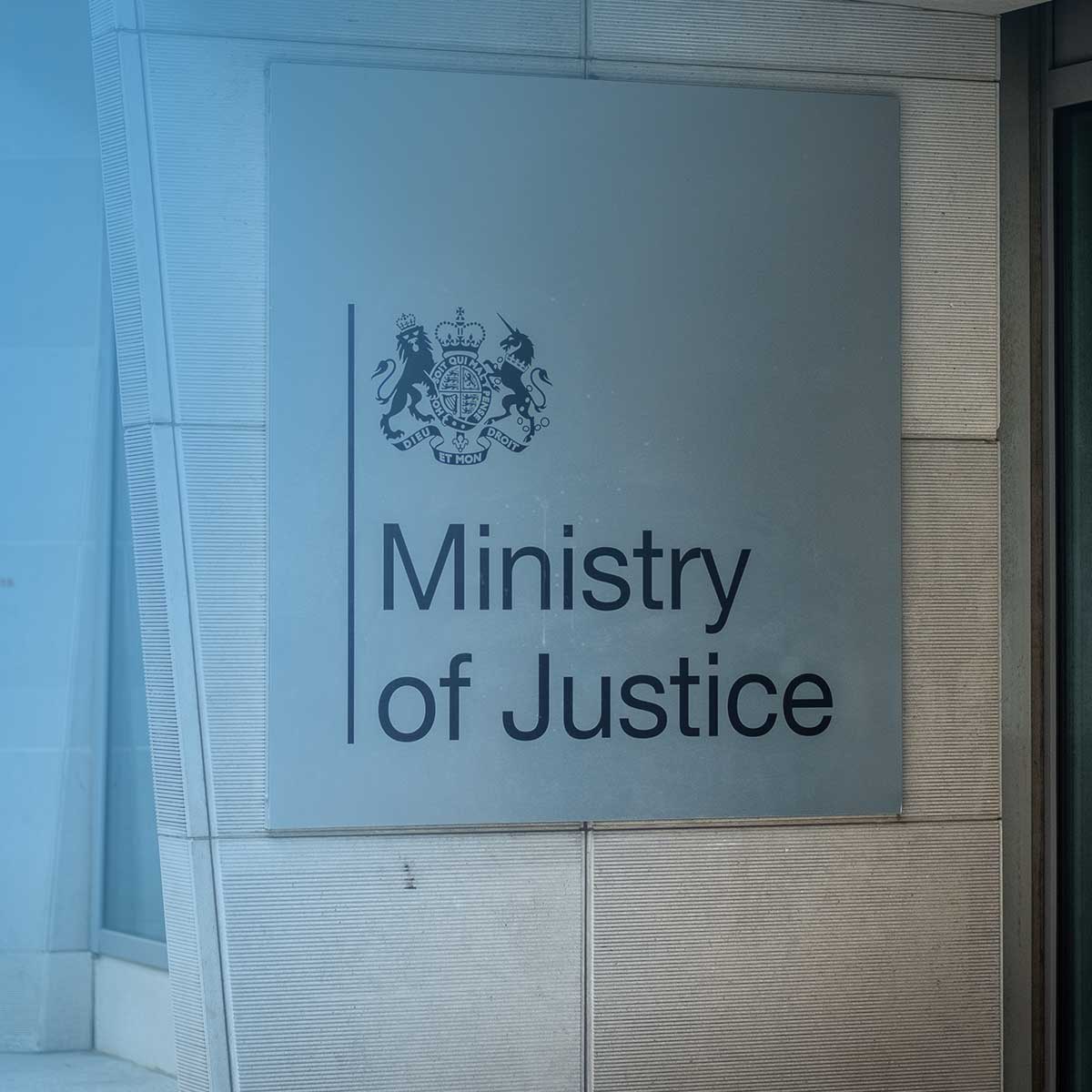
Under plans revealed by the government earlier this month, the Ministry of Justice (MoJ) is consulting on a proposal to require law firms in England and Wales to hand over part of the interest earned on money held in client accounts. The proposed Interest on Lawyers’ Client Accounts Scheme (ILCA) is aimed at introducing a way ‘for the legal sector to contribute more to the justice system.’
Lord Chancellor David Lammy said, ‘unearned income’ from law firms should be used to support the justice system, commenting: “Law firms thrive when the system is strong, so it follows that they should contribute to strengthening justice.” [1]
Interest from client accounts can represent a significant source of income for many law firms. Legal sector leaders have been expressing their concerns, warning that the MoJ’s plans could have serious consequences, including potential firm closures.
Law Society President Mark Evans said, “The MoJ has decided to take money from the interest earned on law firms’ client accounts to boost its own budget. Yet, as its own consultation reveals, it has no clear idea how this proposal will work in practice and no understanding of the serious consequences this will have on high street firms and access to justice throughout England and Wales. Firms will close, fees will rise and clients will be impacted if the MoJ goes ahead with the proposal.”
What is the MoJ Proposing?
Reports suggest that under the proposals, the MoJ is considering taking:
- 75% of interest on pooled client accounts
- 50% of interest on designated client accounts
In an article published earlier this month, The Law Society Gazette highlighted the significance of these amounts. It revealed that data submitted to the Solicitors Regulation Authority’s consultation on consumer protection last year suggested that between 5% and 10% of law firms (around 900 at the upper estimate) relied on the uplift from client receipts. Without it, they would suffer either ‘financial failure or serious financial consequences.’ [2]
Legal industry experts are also raising questions about how the scheme would operate in practice, including:
- How firms would manage the administration and reporting requirements.
- How interest should be treated where it is currently paid to clients.
- Whether firms will need to adjust client money processes or banking arrangements.
- What this could mean for future pricing models and profitability.
Our recommendations
In this evolving landscape, it will be critical for law firms to monitor the progress of the consultation closely, assess their exposure to any reduction in client account interest, and model the potential impact on cashflow and profitability.
Now is the time to review client money policies, pricing structures and banking arrangements, and to engage with representative bodies responding to the MoJ. By taking proactive steps, firms can put themselves in a stronger position to adapt to whatever final form the ILCA proposals may take.