
Hair salon insurance
Cover for hair salons, barbershops and salon groups. Including treatment liability, public liability, employers' liability and stock.
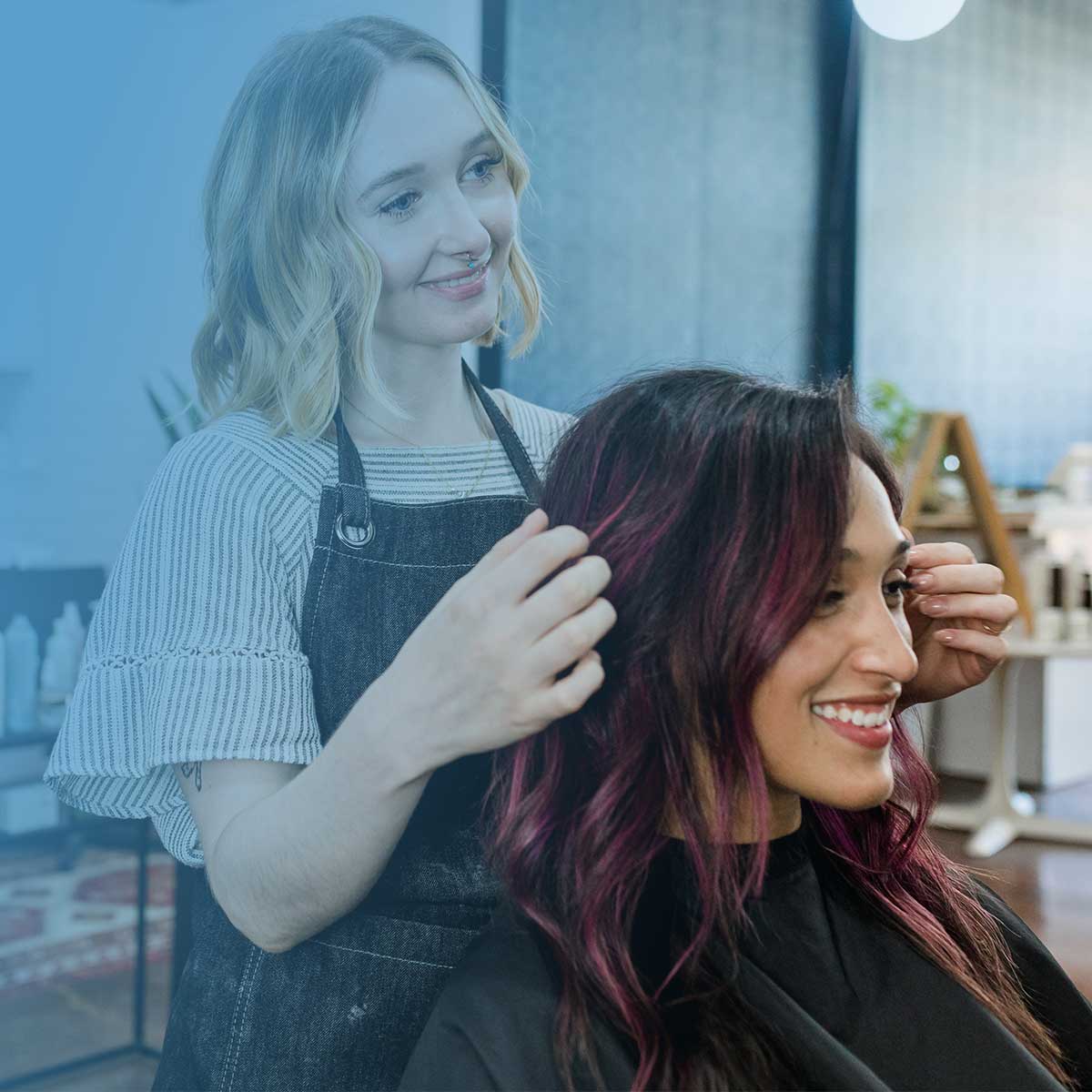
Hair salon insurance is a package of business covers built around the risks of running a salon: client reactions to colour and chemical treatments, slips and trips on the salon floor, employees developing skin conditions from wet work, and the high value of stock and styling equipment. A typical policy combines treatment liability, public liability, employers' liability, buildings and contents (if you own or lease premises), stock and business interruption, with optional covers for cyber, legal expenses, money and personal accident.
PIB Insurance Brokers arranges salon insurance for sole salon owners, multi-site groups and barbershops, working with a panel of A-rated insurers who underwrite hair and beauty risk.
What hair salon insurance covers
Salon policies typically combine a core of essential covers with optional extensions, depending on the services you offer and whether you run a single salon or multiple sites. Cover types, limits and exclusions vary by insurer and policy wording. The summaries below are general; the policy schedule and wording determine what is and isn't covered in any given claim.
| Cover | What it covers | Common exclusions and limits |
|---|---|---|
| Treatment liability | Claims from clients who suffer injury or damage from treatments you've carried out: allergic reactions to colour, chemical burns, scalp damage, hair breakage from perms or relaxers. Usually included as standard in dedicated salon policies, with limits commonly £1m to £5m. | Treatments not declared on the policy schedule. Treatments carried out without the required qualifications. Patch test conditions not met (most policies require patch tests 24 to 48 hours before colour services). |
| Public liability | Compensation claims from clients and visitors for injury or property damage caused by the salon environment: slips on wet floors or clipped hair, trips over styling cords, damage to a client's clothing or possessions. | Claims involving employees (covered separately under employers' liability). Treatment-related claims (covered under treatment liability). Deliberate acts. |
| Employers' liability | Claims from employees, apprentices and trainees injured or made ill at work. Includes the most common salon employee claim: dermatitis and skin conditions from constant wet work and chemical exposure. Legally required if you employ anyone, minimum £5m under the Employers' Liability (Compulsory Insurance) Act 1969. | Genuinely self-employed chair renters with their own cover. The definition of "employee" varies by policy; chair renters can fall either side of the line depending on the arrangement. |
| Buildings and contents | Salon premises (if you own them), fixtures, fittings, salon chairs, mirrors, washbasins, styling stations and reception furniture against fire, flood, storm, theft, escape of water and impact damage. | Wear and tear, gradual deterioration, damage during periods of unoccupancy beyond a stated period (often 30 days), defective workmanship. |
| Stock | Hair products, retail lines, colour stock and consumables against theft, fire, flood and contamination. Important given the high stock value most salons carry, particularly those selling retail products. | Stock left in unsecured areas, stock kept outside stated temperature ranges, gradual losses from poor stock rotation. |
| Business interruption | Lost income and ongoing costs (rent, wages, loan repayments) while the salon is closed due to an insured event such as fire, flood or burglary. Indemnity periods typically 12 to 36 months. | Closures from uninsured perils. Pandemic-related closures are typically excluded unless a specific extension applies. |
| Equipment breakdown | Sudden mechanical or electrical failure of essential salon equipment: water heating systems, climazon and roller-ball units, expensive ergonomic chairs and styling stations. | Damage from lack of maintenance, wear and tear, items beyond a stated age. |
| Money and assault | Cash on premises and in transit to the bank, including takings and float. Limits often double for special events and busy public holidays. | Security conditions apply: alarm set, safe to specified standard, limits on cash left in tills overnight. |
| Cyber | Data breach response costs, system restoration, ICO regulatory fines and customer notification. Relevant for salons taking online bookings, holding customer data and processing card payments. | Incidents from known unpatched vulnerabilities, fraud committed by your own employees. |
| Personal accident | Capital and weekly benefits if you're injured and unable to work. Particularly relevant for owner-stylists who would lose income from the chair as well as from the business. | Pre-existing conditions, injuries from activities not declared on the schedule. |
| Legal expenses | Solicitor fees and court costs for employment disputes, contract disputes with landlords or suppliers, and statutory licence appeals. | Disputes that existed before the policy started, claims below the policy excess, defending criminal proceedings. |
What hair salon insurance does not cover
It's as important to understand what falls outside cover as what falls inside. Typical limitations across salon policies:
- Patch test conditions not met. Most salon policies require patch tests for colour and chemical services, usually 24 to 48 hours before treatment, with results recorded. Reactions where a patch test was missed or undocumented are commonly declined.
- Treatments not declared on the policy. If you offer microblading, lash extensions, chemical peels, semi-permanent makeup or other advanced services, they must be on the schedule. Treatments outside your declared list are usually excluded.
- Work outside qualifications. Treatment liability covers services you're qualified to carry out. Carrying out treatments without the required qualification voids cover for those treatments.
- Chair renters without their own cover. If you rent chairs to self-employed stylists, they need their own treatment liability and public liability insurance. The salon's policy typically won't cover claims arising from a chair renter's work.
- Cosmetic dissatisfaction. Claims based purely on a client not liking the result (without injury or property damage) are not insurable. The policy covers harm, not taste.
- Pre-existing client conditions. Reactions caused by pre-existing skin or scalp conditions the client failed to disclose may be excluded depending on the policy.
- Wear and tear. Gradual deterioration of equipment, fixtures and the premises is not insurable damage.
- Excess on every claim. All policies carry an excess (the amount you pay before the insurer contributes), which varies by cover.
Claims may also be reduced or declined if policy conditions aren't met. Common examples: alarm not set, electrical safety checks not carried out, COSHH controls not in place for chemical handling.
Why work with PIB Insurance Brokers
- Access to insurers who underwrite hair and beauty risk, including treatment liability for colour services, chemical processes and extensions.
- Cover scaled to your salon, from sole owner-stylists to multi-chair salons and barbershop groups.
- Clear advice on declaring treatments correctly, so the services you offer match the cover you hold and claims aren't declined for non-disclosure.
- Claims support for salon-specific incidents: treatment reactions, slip and trip claims, employee dermatitis claims, stock theft and equipment breakdown.
- Risk management guidance for the trade, including patch testing protocols, COSHH compliance, electrical safety and chair-renter agreements.
- Local branches and dedicated account managers who can review your cover as you take on new services or expand.
What our clients say
Recent reviews from PIB Insurance Brokers clients across the sectors we work with, collected by Reviews.io.
Opening, switching, or not sure your treatments are properly covered?
Get a quoteFrequently asked questions
Do hair salons need treatment liability insurance?
Treatment liability is the cover that responds when a client is harmed by a treatment, such as a chemical burn from colour or an allergic reaction to dye. It's not legally required, but salons offering colour, perms, chemical straightening or any service that touches the skin or scalp are heavily exposed without it. Public liability alone does not cover treatment-related claims in most policy wordings.
What's the difference between public liability and treatment liability?
Public liability covers injury or property damage caused by the salon environment, such as a client slipping on a wet floor or having their coat damaged. Treatment liability covers injury or harm caused by the treatments themselves, such as a colour reaction or hair breakage. Both are needed in a salon; one does not replace the other.
What happens if a client reacts badly to colour and we didn't do a patch test?
Most salon policies require patch tests for colour and chemical services 24 to 48 hours before the treatment, with the result recorded. If a client reacts and no patch test was carried out, or there's no record of one, the claim is likely to be declined. Keeping a written record (paper or digital) of every patch test is essential. Some clients refuse patch testing; in those cases, a signed disclaimer is usually required and should be discussed with the insurer.
If I rent a chair in someone else's salon, am I covered under their insurance?
Usually not. Chair renters are typically treated as self-employed and need their own public liability and treatment liability insurance. The salon's policy normally covers the premises and the salon's own staff, not the work of chair renters. Most chair-rental agreements require the renter to hold their own cover and provide proof to the salon owner.
Are apprentices and trainees covered under employers' liability?
Yes. Apprentices, trainees and work experience placements are treated as employees for the purposes of employers' liability insurance and are covered by the legal requirement to hold cover. Their numbers should be included when arranging the policy. Salons taking on apprentices through a college or training provider should still hold employers' liability cover for time spent on the salon premises.
How quickly can I get a quote?
PIB Insurance Brokers can usually provide indicative terms within 24 to 48 working hours once we have your address, the services you offer, employee numbers, turnover and claims history. Salons offering advanced treatments (microblading, lash extensions, chemical peels) may need more information about qualifications and protocols, which can take longer.