
Village hall insurance
Specialist cover for village and community halls. Including hirer's liability, trustee indemnity, buildings and business interruption.
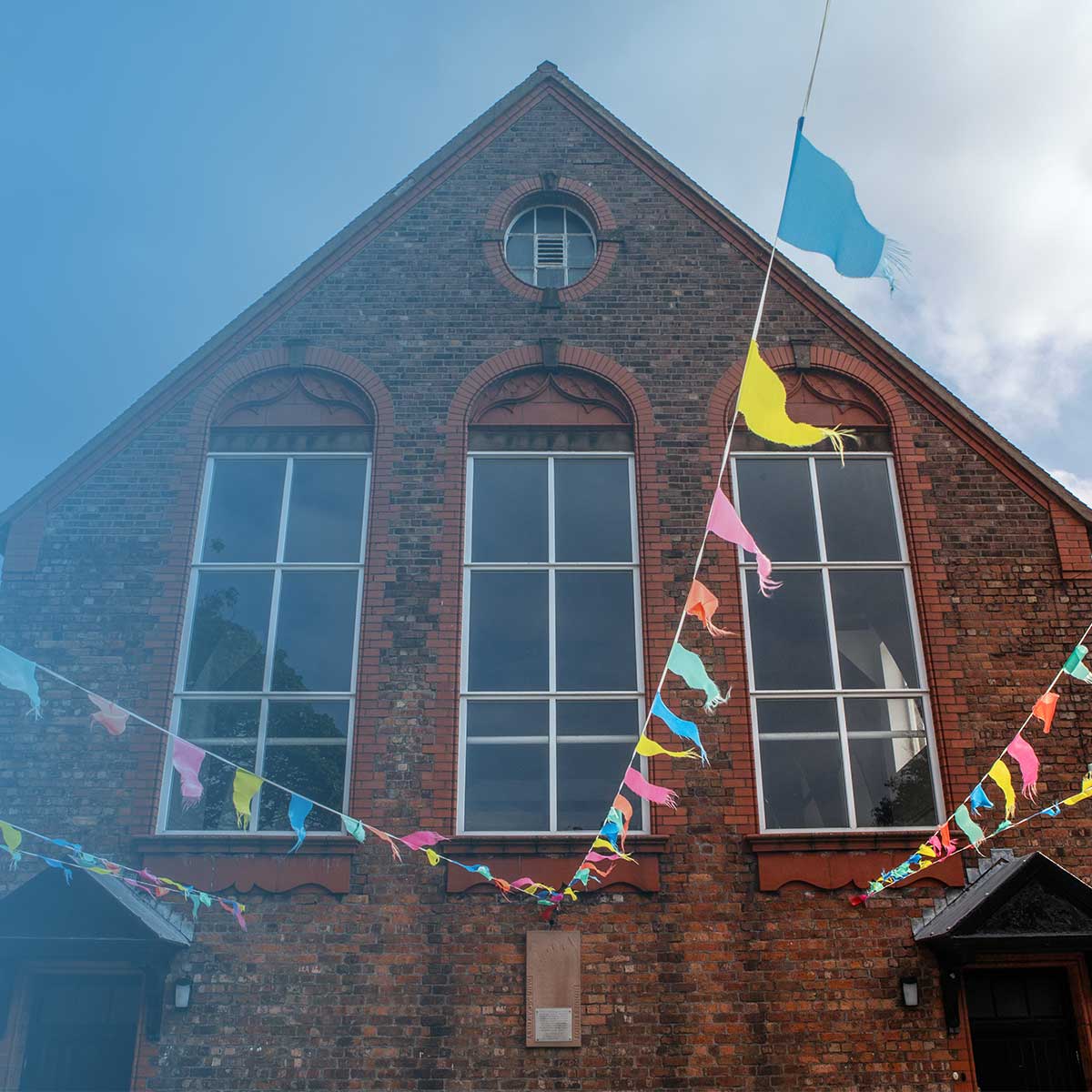
Village hall insurance is a package of charity-focused covers built around the risks of running a community building. A typical policy combines public liability, hirer's liability, employers' liability, property and contents, trustee indemnity and business interruption, with optional covers for event cancellation, equipment breakdown and loss of licence. Larger or more complex halls may need additional covers tailored to their activities.
PIB Insurance Brokers arranges village hall insurance through Q Underwriting, part of PIB Group, who specialise in charity and not-for-profit risk. Q Underwriting's Charity Combined wording is used by over 10,000 UK charity and not-for-profit organisations, underwritten by Aviva.
What village hall insurance covers
The covers described below reflect Q Underwriting's Charity Combined wording, used by over 10,000 UK charity and not-for-profit organisations and underwritten by Aviva. Policies typically combine a core of essential covers with optional extensions to fit each hall's activities. Specific limits, conditions and exclusions are set by the policy schedule and wording, which determine what is and isn't covered in any given claim.
| Cover | What it covers | Common exclusions and limits |
|---|---|---|
| Public liability | Compensation claims from members of the public and visitors for injury or property damage caused by the hall or its activities. Typical limits £2m to £10m. | Claims involving paid staff (covered under employers' liability), deliberate acts, contractual liabilities beyond what would apply in law. |
| Hirer's liability | Cover for third parties hiring the hall who do not have their own public liability insurance. Q Underwriting's wording includes hirer's liability up to £2m as standard. | Hazardous activities (inflatables, bonfires, fireworks) usually require the hirer to hold their own cover. Hirers running businesses are normally expected to have separate cover. |
| Employers' liability | Claims from paid employees injured or made ill at work, including caretakers, cleaners and bookings administrators. Legally required if you employ anyone, minimum £5m under the Employers' Liability (Compulsory Insurance) Act 1969. | Genuinely self-employed contractors with their own cover. Volunteers are usually covered too but the policy definition should be checked. |
| Property and contents | Buildings, fixtures, fittings, kitchen equipment, AV equipment, furniture and stored items against fire, flood, storm, theft, escape of water and impact damage. | Wear and tear, gradual deterioration, damage during unoccupancy beyond a stated period, defective workmanship. |
| Stock | Bar stock, vending stock, food and drink for refreshments, fundraising raffle prizes and consumables held on site against theft, fire, flood, escape of water and similar insured events. | Stock not declared on the schedule, stock kept outside stated temperature ranges, gradual losses from poor stock rotation. |
| Trustee indemnity | Protection for committee members and trustees against personal liability arising from decisions made on behalf of the hall. Critical for charitable trustees who could otherwise be personally exposed. | Dishonest acts, deliberate breaches of trust, fines and penalties. The cover protects trustees acting in good faith. |
| Business interruption | Lost hire income and ongoing costs while the hall is closed due to an insured event such as fire or flood. Indemnity periods typically 12 to 36 months. | Closures from uninsured perils. Pandemic-related closures are typically excluded unless a specific extension applies. |
| Products liability | Claims from people who suffer illness or injury from food or drink served at hall events, including community lunches and fundraisers. | Knowingly serving unsafe food, deliberate breaches of food safety law. |
| Personal accident | Capital and weekly benefits for volunteers injured while carrying out activities for the hall. Standard limits start at £15,000 capital benefit. | Pre-existing conditions, injuries from activities not declared on the schedule. |
| Money and assault | Cash on premises, in transit and held in safes overnight, including takings from events and bar nights. Limits often double for special events and public holidays. | Security conditions apply: alarm set, safe to specified standard, employee theft requires reporting within 14 days. |
| Legal expenses | Solicitor fees and court costs for employment disputes, contract disputes, property protection and statutory licence appeals. Limits available from £50,000 to £250,000. | Disputes that existed before the policy started, claims below the excess, defending criminal proceedings. |
| Event cancellation | Financial loss if a fundraising event cannot proceed due to specific circumstances such as severe weather or loss of the venue. Cover available on request up to £50,000. | Lack of attendees, withdrawal of headline acts not separately insured, cancellation due to insufficient ticket sales. |
| Loss of licence | Loss of income and additional costs if the hall loses a licence required to operate, such as a premises licence for alcohol or entertainment. | Loss of licence due to deliberate breach of conditions, criminal conviction of a licensee. |
What village hall insurance does not cover
It's as important to understand what falls outside cover as what falls inside. Typical limitations across village hall policies:
- Activities not declared on the policy: inflatables, bonfires, fireworks displays and other higher-risk activities must be declared and may attract additional terms. Cover for undeclared activities is often excluded.
- Hirers operating businesses without their own cover: hirer's liability covers private and community hirers. Commercial hirers (e.g. fitness instructors, children's entertainers) are usually expected to hold their own public liability insurance.
- Pandemic-related closures: most policies exclude business interruption from communicable disease unless a specific extension is purchased.
- Unoccupancy beyond 45 days: Q's wording applies additional terms after 45 days without use. Halls closed for refurbishment should notify their insurer.
- Maintenance failures: damage caused by inadequate maintenance, such as escape of water from poorly maintained pipework, may be excluded or have claims reduced.
- Wear and tear: gradual deterioration of buildings, fixtures and equipment is not insurable damage.
- Trustees acting dishonestly: trustee indemnity protects trustees acting in good faith. Dishonest acts, deliberate breaches and fines are excluded.
- Excess on every claim: all policies carry an excess (the amount the hall pays before the insurer contributes), which varies by cover.
Claims may also be reduced or declined if policy conditions aren't met. Common examples: alarm not set, gas appliances not serviced, fireworks held without notifying the insurer.
How much does village hall insurance cost?
Premiums depend on the rebuilding cost of the hall, contents value, hire income, the activities held at the hall, claims history and trustee numbers. Heritage buildings, halls with significant flat roof areas, and those with frequent high-risk activities (bonfires, fireworks, large events) attract higher premiums. Halls accredited under the Hallmark Quality Standard (or Keystone in Scotland) usually qualify for a discount.
Why work with PIB Insurance Brokers
- Specialist charity expertise through Q Underwriting, part of PIB Group, with over 10 years in the charity and not-for-profit sector.
- Aviva-backed Charity Combined wording used by over 10,000 UK charity and not-for-profit organisations.
- Hirer's liability up to £2m included as standard, protecting hirers without their own cover and the hall from associated claims.
- Trustee indemnity with limits from £100,000 to £1,000,000, protecting committee members from personal liability.
- Claims support for village hall incidents including weather damage, escape of water, vandalism and hire-related claims.
What our clients say
Recent reviews from PIB Insurance Brokers clients across the sectors we work with, collected by Reviews.io.
New committee, renewing, or checking your hall is covered properly?
Get a quoteFrequently asked questions
Does village hall insurance cover the people who hire our hall?
Hirer's liability cover is included as standard in the Q Underwriting Charity Combined wording arranged by PIB, up to £2m. This covers private hirers and community groups who do not have their own public liability insurance. Hirers running businesses (e.g. fitness instructors, children's entertainers) are usually expected to hold their own cover.
Are trustees personally liable for the hall?
Trustees can be personally liable for decisions made on behalf of the hall, particularly around finances, employment and safeguarding. Trustee indemnity insurance protects trustees acting in good faith against the cost of defending claims and any compensation awarded. It does not cover dishonest acts, deliberate breaches of trust, or fines and penalties.
Do we need village hall insurance if we're not a registered charity?
Yes. Many small village halls operate as unincorporated associations or community trusts rather than registered charities, but the same risks apply: members of the public visiting the hall, hirers using the space, trustees making decisions. Insurance is recommended regardless of charitable status, and employers' liability is legally required if you employ anyone.
Are fireworks displays and bonfires covered?
Cover for fireworks, bonfires and similar activities is available subject to policy terms, but the activity must be listed in the policy's business description. Fundraising events with up to 1,000 attendees are typically covered as standard, with cover for larger events available on request. Hirers running their own fireworks events normally need their own cover.
Does the policy cover events with alcohol?
Yes, events involving the sale or consumption of alcohol are usually covered as long as the hall holds the appropriate licence. Loss of licence cover is available as a separate item to protect against the financial impact of losing a premises licence.
How quickly can I get a quote?
PIB Insurance Brokers can usually provide indicative terms within 24 to 48 working hours once we have the hall's address and tenure, rebuilding cost, contents value, annual hire income, activities and claims history. More complex halls or those with extensive activities can take longer.