
El Niño and extreme weather: flood risk considerations for UK organisations
Forecasters have warned that the current El Niño could be among the more intense events seen this century
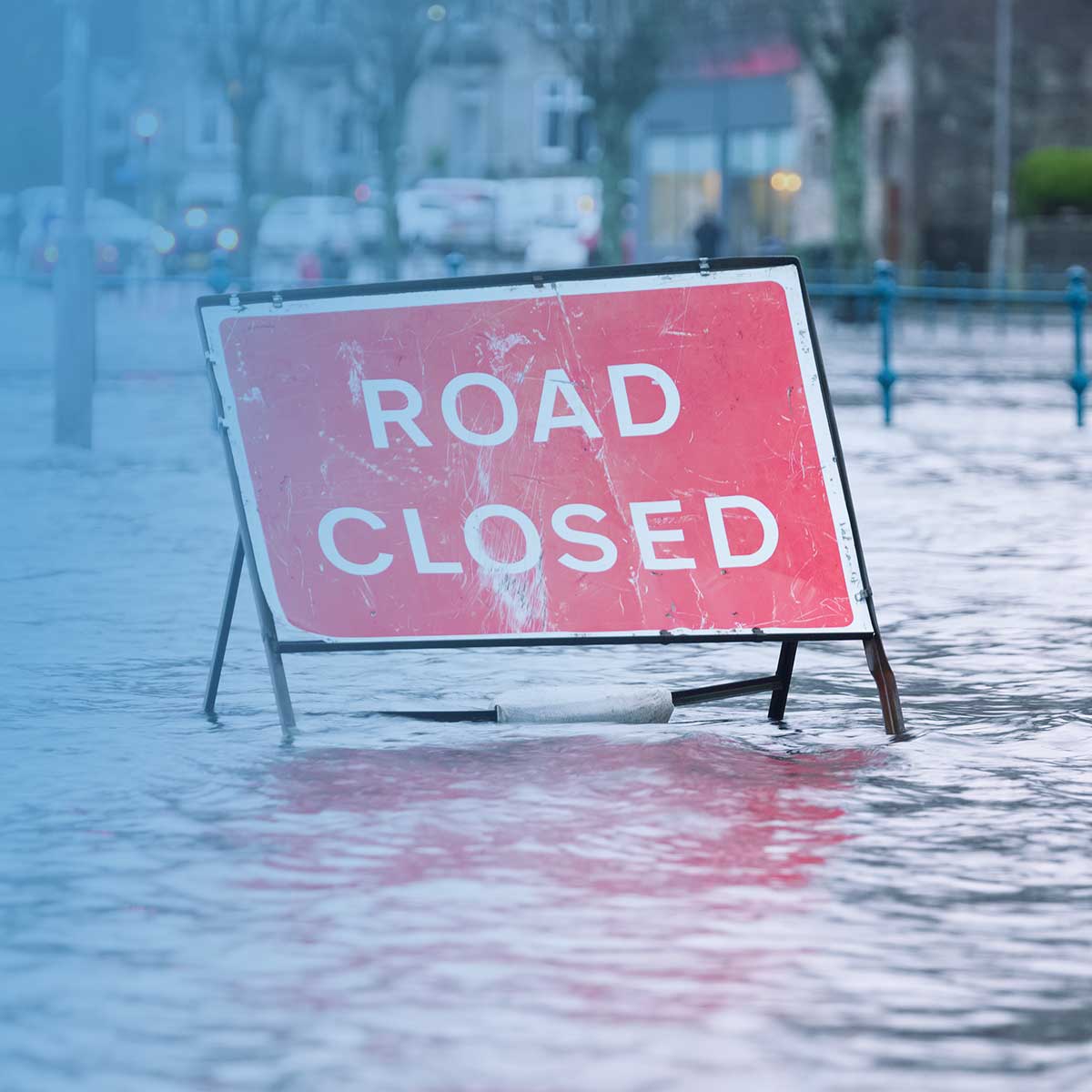
Following the wildfires across the UK earlier this year, the impact of extreme weather on businesses has once again been brought into sharp focus. Flood risk is shaped by more than day‑to‑day local weather. Large-scale climate patterns like El Niño can prime the atmosphere for more volatile winters, increasing the chances of heavy rainfall, storms and flooding.
El Niño is a naturally occurring warming of the central and eastern tropical Pacific that typically appears every few years and lasts for around 9 - 18 months. Its biggest impacts are felt around the Pacific, driving extremes such as drought, heatwaves and heavy rainfall - but it also disrupts the jet streams that shape weather over the North Atlantic and Europe. For the UK, a strong El Niño can mean winters that are warmer, wetter and stormier than usual.
A “super” El Niño is a rarer, more intense version, happening only every decade or two. Although it usually lasts under a year, its global weather impacts can span much longer. During the 2015-16 super El Niño, Storm Desmond became the most damaging storm of that season in the UK, with insured losses estimated between £900 million and £1.3 billion, alongside wider economic disruption.
Taken together, these large-scale climate patterns and ongoing global warming are raising the stakes for UK flood risk. For businesses, that makes effective insurance, resilience planning and risk management more important than ever.
Why El Niño is changing UK flood risk for organisations
Forecasters have warned that the current El Niño could be among the more intense events seen this century. Even though it is centred in the tropical Pacific, the UK is not immune from its effects. For organisations, the combination of natural climate variability and long‑term warming means historic experience is no longer a reliable guide to future flood risk.
How flood insurance works for UK organisations
Most organisations in the UK get flood protection through a Commercial Combined, Property Owners or similar policy. Flood is usually one of the insured perils under the Property Damage section, with an optional Business Interruption (BI) section to cover loss of income and increased costs after insured damage.
When seeking cover, insurers will look at factors such as location, loss history, exposure to flood, nature of construction, use of premises, and any existing protections in place. Clear, accurate information, and evidence of any risk improvements made, can make a real difference when negotiating cover and terms with insurers.
Insurance considerations for organisations
For some organisations, especially in higher-risk areas, standard flood cover may be restricted, subject to a very high excess, or unavailable altogether. In these cases, additional options can be considered:
1. Stand-alone flood insurance
Stand‑alone flood insurance is a separate policy focused on flood damage (often including business interruption), typically using more detailed flood mapping. It can provide cover where the main policy excludes flood, increase limits where existing cover is inadequate, or tailor terms by location. However, it must be carefully co-ordinated with the main policy to avoid any potential gaps or overlaps in coverage, and premiums will closely reflect the underlying risk.
2. Flood excess protection (excess buy-back)
Flood excess protection (excess buy‑back) reimburses some or all of the flood excess on the main property policy, usually once a valid claim has been accepted. It helps make large excesses more affordable while still leaving the primary insurer with their required level of excess. It also generally mirrors the primary policy’s definition of flood and key conditions. It is therefore important organisations understand whether its limit applies per event or across the policy period.
3. Parametric flood insurance
Parametric flood insurance pays a fixed amount when an agreed, objectively measurable trigger is met - for example, a river level, flood depth or rainfall threshold. It offers fast, predictable payouts, can address difficult to insure exposures, and works well as a top‑up to traditional property and BI cover - provided the trigger is carefully chosen, basis of risk is understood, and the bespoke nature of the policy is recognised.
Common limitations and exclusions around flood
Even where “flood” is insured, there are often conditions, limits and exclusions that may apply. Common examples include:
- High flood excesses and sub limits - particularly for properties in high-risk flood areas
- Restrictions or conditions for basements and areas below ground level, or property in the open
- Exclusions for gradual ingress of water, damp, or poor maintenance, as opposed to sudden flood events
- Policy conditions or Warranties that have implications to the insured (for example, non-compliance with previous risk improvements imposed by insurers)
- Business interruption cover that is undermined by underinsurance or an indemnity period that is insufficient to provide for a realistic rebuild and recovery
Key questions to ask about your flood protection
There are some practical questions that organisations can ask itself when reviewing flood risk and insurance:
- Is flood fully covered under my current policy, and are there any sub limits, increased excesses or exclusions that apply?
- Is my Business Interruption cover and indemnity period adequate for a serious flood?
- Are there any actions my insurer expects me to take on maintenance or flood resilience, and have these been documented?
- For higher risk locations, should I be considering stand alone flood cover, flood excess protection or even parametric insurance solutions?
- Do we have an effective flood plan and records in place to support a successful claim?
Are your flood arrangements fit for purpose?
If you are unsure whether your current insurance and resilience arrangements remain suitable for your organisation, we’d be happy to discuss your requirements. We can help identify any gaps- and ensure your cover and continuity planning reflect your current business needs.