
Why insurers are reluctant to cover homes with biomass boilers – don’t rely on a standard home policy
A specialist broker can increase your chances of getting reliable cover at a fair premium
Biomass heating has grown in popularity as homeowners look for greener alternatives to oil or gas. While the technology can be efficient and sustainable, many homeowners are surprised to find insurers hesitant, or even unwilling, to cover properties with biomass boilers. This reluctance isn’t about discouraging low-carbon heating; it’s about risk. And for insurers, the risk profile of a biomass system is very different from a conventional boiler.
Key factors that drive insurers’ concerns
Increased fire risk
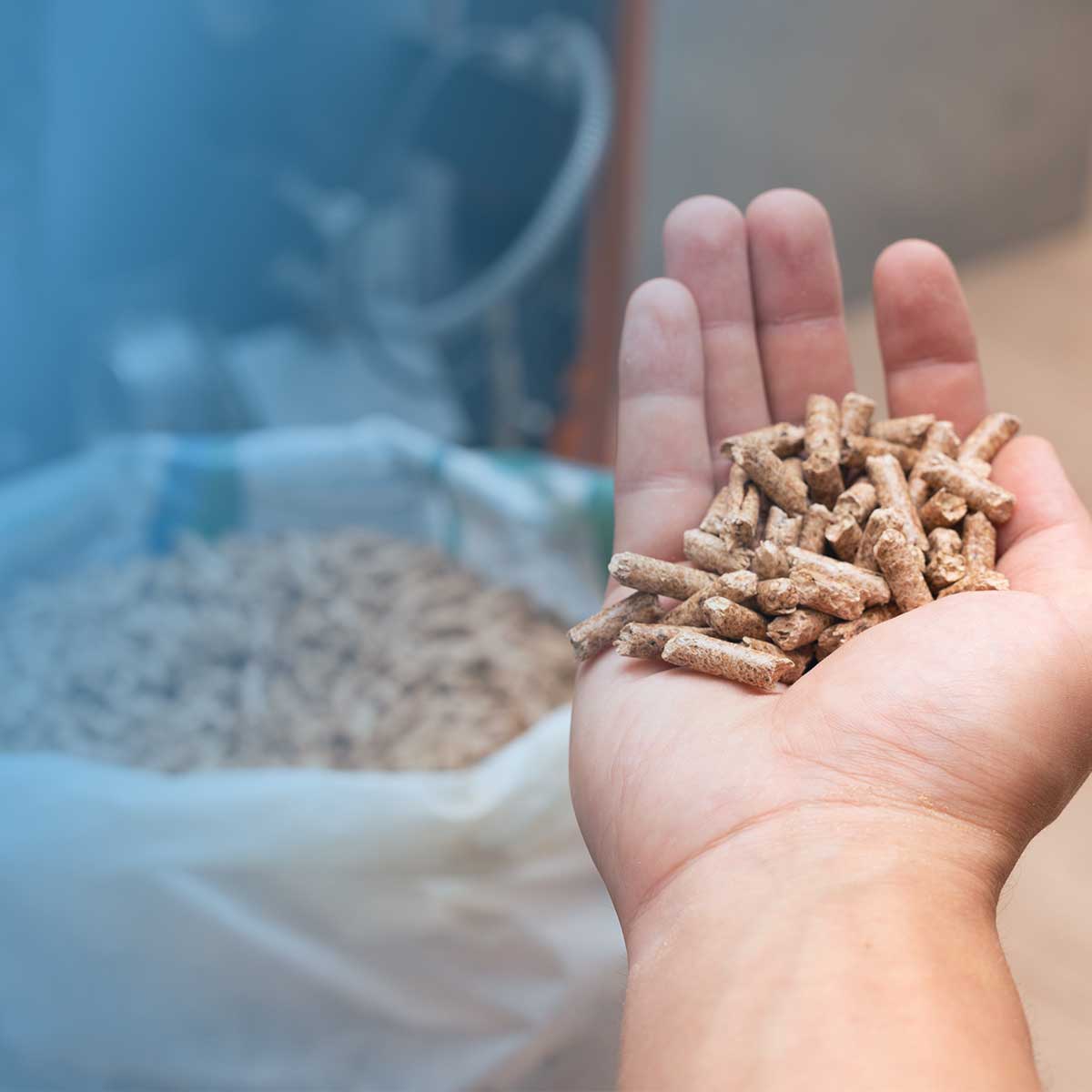
Biomass boilers burn organic fuel, typically wood pellets, logs or chips. Unlike gas or oil systems, this involves open combustion and fuel storage on site. Insurers view several elements, such as sparks or embers from the system, as heightened fire hazards.
Even when installed correctly, the simple fact that combustible material is being stored and burned in the property elevates the overall fire exposure compared to a sealed gas system.
Fuel storage complications
Biomass systems require significant amounts of fuel, stored either inside or outside the home.
Insurers are particularly wary when:
- Fuel stores are close to the property, increasing fire spread risk.
- Storage areas are not purpose-built, or constructed of materials that could exacerbate a fire.
- Moisture, mould or improper ventilation could cause spontaneous combustion in large piles of pellets or chips. This is rare, but has been documented.
These issues add complexity and cost when assessing risk, which can lead insurers to decline cover altogether.
Lack of standardisation in installations
Unlike gas boilers, which are regulated under well-established standards, biomass systems are more varied in design and quality.
Insurers frequently encounter:
- Installations without HETAS or equivalent certification
- Custom-built systems that don’t clearly meet recognised standards
- Inadequate documentation or maintenance records
- Outdated systems installed during early subsidy schemes, with little insurer-friendly oversight
This variability makes it harder for insurers to confidently underwrite the risk.
Higher maintenance requirements
Biomass boilers require far more upkeep than gas systems, from regular cleaning of ash and combustion chambers, to monitoring flues and chimneys.
If maintenance lapses, the risk of fire, mechanical failure or smoke damage increases. Insurers therefore worry about long-term maintenance compliance and inconsistent upkeep among homeowners.
Cost and complexity of repairs
Replacement parts and specialist engineers for biomass systems are less common. Following a claim, whether it’s fire, mechanical breakdown or smoke contamination, repairs can be more expensive, harder to source and slower to complete, which increases claims costs.
In the eyes of insurers, this raises the potential severity of any incident.
Limited market experience
Biomass is still a niche heating solution compared with oil or gas. That means insurers have less historical claims data and more uncertainty in pricing the risk.
When uncertainty is high, many insurers take the simplest route: decline the risk or load the premium significantly.
What homeowners can do
If you have, or are considering, a biomass boiler, you can improve your insurability by:
- Ensuring installation and servicing are HETAS-certified
- Providing full documentation, including maintenance logs
- Using a professionally built fuel store with adequate fire separation
- Keeping fuel stores away from the property where possible
- Installing smoke alarms and heat detectors in boiler and storage areas
- Working with a broker who understands specialist home insurance
How we can help
With an understanding of the technology, the fire and liability risks, and installation standards, we can present the risk properly to underwriters. This helps secure reliable cover at a fair price and reduces the risk of nasty surprises should you need to make a claim.