
Takeaway and fish and chip shop insurance
Cover options for takeaways and fish and chip shops, including public and products liability, employers' liability, equipment, stock and lost income after a fire.
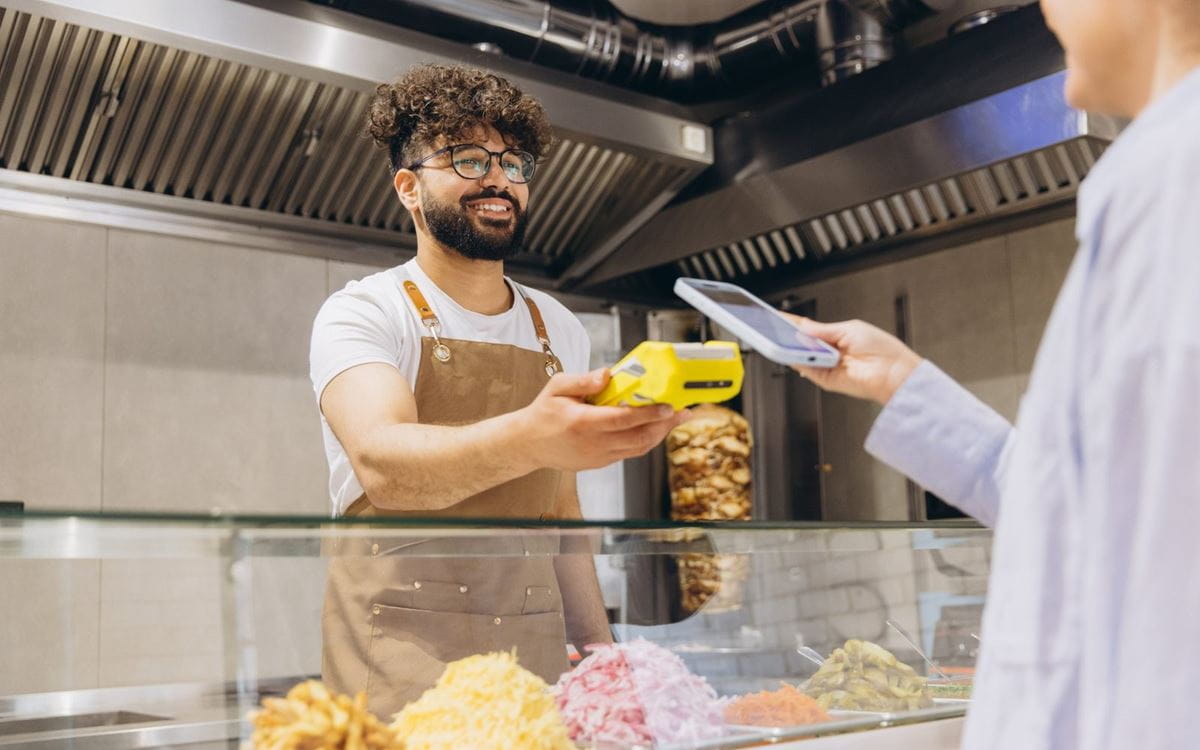
Takeaway insurance is a set of business covers for takeaways, fish and chip shops, kebab and pizza shops and other hot food businesses: the customers you serve, the staff in your kitchen, your fryers and equipment, your stock and the income you'd lose if a fire closed you. Takeaways usually combine public and products liability, employers' liability, contents and equipment, stock and business interruption, with optional cover for buildings, glass, money and equipment breakdown.
PIB Insurance Brokers arranges cover for independent takeaways and fish and chip shops. A broker can be particularly helpful when your risk is more complex, for example heavy frying, late-night opening, your own delivery drivers, or seating that makes you part takeaway and part restaurant. If you have a sit-down dining area, see our restaurant insurance; if you mainly serve coffee and light food, our café insurance; and for other types of venue, our hospitality insurance.
What takeaway insurance covers
Takeaway policies usually combine a core of essential covers with optional extras, depending on how you cook, when you open, whether you deliver and whether you own or lease the building. The summaries below are general examples of what may be covered in each section; your policy schedule and wording decide what is and isn't covered in any claim.
Core covers
Public and products liability
Claims from customers and members of the public who are hurt or whose property is damaged, such as a slip in the shop, and claims from people made ill by food you've sold, including food poisoning and allergic reactions.
Watch for: Claims from your own staff (covered separately), deliberate acts, and allergen claims where you didn't give the allergen information the law requires.
Employers' liability
Claims from staff hurt or made ill at work, such as burns from fryers, cuts or slips on a greasy floor. Usually required by law if you employ staff, including part-time staff. The law requires a limit of at least £5m.
Watch for: Riders supplied by a delivery app, who aren't usually your employees. The definition of "employee" varies by policy.
Contents and equipment
Fryers, ranges, ovens, fridges, freezers, tills and shop fittings against fire, flood, theft and, often, accidental damage.
Watch for: Wear and tear, gradual deterioration, theft without forced entry. Leased equipment may be insured by the supplier.
Stock
Food and drink stock against fire, flood and theft, often including stock spoiled when a fridge or freezer fails, up to a stated limit.
Watch for: Spoilage from a power cut the policy doesn't cover, and stock limits below what you normally hold.
Business interruption
Lost profit and ongoing costs such as rent and wages while you can't trade after an insured event like a fire or flood. A fryer fire could close a takeaway for weeks, so choose a period long enough to repair, refit and win back customers. See our business interruption insurance page.
Watch for: Closures caused by something the policy doesn't cover, such as a fire in extraction that wasn't cleaned as required. Closures from disease are usually excluded unless you've added a specific extension.
Optional covers to consider
Buildings
If you own the building or your lease makes you responsible for insuring it, the structure and fixed fittings against fire, flood, storm and escape of water.
Watch for: A rebuild cost that's out of date, and restricted cover if the shop is empty beyond a stated period.
Glass
Replacement of broken shop windows, glass doors and signs, including emergency boarding up.
Watch for: Limits per pane or for signs, and glass that was already cracked.
Money
Cash on the premises, in a safe and in transit to the bank.
Watch for: Lower cash limits outside opening hours, and conditions on how the safe is used.
Equipment breakdown
Sudden mechanical or electrical failure of fryers, ranges, fridges and freezers, including repair costs.
Watch for: Breakdowns caused by lack of servicing, wear and tear, equipment beyond a stated age.
Goods in transit
Food and equipment lost, stolen or damaged while you carry it, for example on deliveries or to an event.
Watch for: Goods left in an unlocked or unattended vehicle, and limits per load.
Legal expenses
Legal costs for disputes with staff, suppliers or customers, and some regulatory matters.
Watch for: Disputes that began before the policy started, claims below the policy excess.
Cyber
Costs of responding to a data breach or cyber attack, such as compromised card payments or an online ordering system.
Watch for: Incidents caused by known security flaws left unfixed, fraud by your own staff (usually separate crime cover).
Frying and late-night opening
Deep fat frying is the main fire risk in a takeaway, and insurers usually set conditions for it. Common ones are thermostats and cut-outs on fryers and ranges, fire blankets and suitable extinguishers nearby, and regular professional cleaning of extraction canopies, filters and ducts, with certificates kept.
If you open late, insurers may also ask about security and how many staff are on. If you sell hot food or drink between 11pm and 5am in England or Wales, you also need a late night refreshment licence from your council.
What takeaway insurance does not cover
Typical limits across takeaway policies:
- Problems that existed before the policy started: known damage and ongoing disputes are usually excluded.
- Wear and tear: equipment, fittings and buildings wearing out over time isn't insurable damage.
- Poor maintenance: damage caused by equipment or systems that weren't serviced or cleaned as required, such as kitchen extraction, may be excluded.
- Closures from disease: policies usually exclude lost income from disease or a pandemic unless you've added a specific extension.
- Underinsurance: if your sums insured are too low, the insurer may reduce a claim in proportion (known as average).
- An excess on most claims: most covers carry an excess (the amount you pay before the insurer contributes), which varies by cover.
Conditions matter too: claims may also be reduced or declined if policy conditions aren't met. Common examples: extraction not cleaned as often as the policy requires, fryer thermostats not working, or the intruder alarm not set when the shop is closed.
How much does takeaway insurance cost?
There is no standard price. What you pay depends on your turnover, how much frying you do, your opening hours, whether you deliver, the number of staff, the value of your equipment and stock, whether you own the building, and your claims history.
What affects the cost
- A clean claims record: insurers usually look at the last three to five years.
- Fire safety: extraction cleaned with certificates kept, working fryer thermostats and fire suppression over the cooking range may lower the cost of property cover.
- Security: shutters, an intruder alarm and CCTV may lower the cost of contents, stock and money cover.
- Accurate values: setting sums insured for equipment, fit-out and stock at an accurate value can help reduce the risk of underinsurance or paying for cover you don't need.
- Your excess: choosing a higher excess (the amount you pay towards each claim) may lower the premium, the price of your cover.
Why work with PIB Insurance Brokers
We explore your options
We can approach insurers that cover takeaways and hot food businesses and set out the differences in cover, not just price.
We look at how you trade
Heavy frying, late-night opening, your own delivery drivers or seating for customers may each change what you need to tell your insurer.
We look for common gaps
Business interruption set too short to recover from a fryer fire, staff delivering on motor policies that don't cover it, or extraction cleaning that doesn't meet the policy condition.
Here when things change
Our team is on hand throughout the policy year for advice, whether your circumstances change or you're not sure what to do next.
What our clients say
Reviews from PIB Insurance Brokers clients across the sectors we work with, collected by Reviews.io.
Opening a takeaway, switching insurer, or not sure your cover fits?
Get a quoteFrequently asked questions
What insurance does a takeaway need?
The main insurance required by law is employers' liability, which most takeaways need once they employ staff, including part-time staff. Any vehicle used for deliveries on the road also needs motor insurance that covers delivering food. Public liability isn't required by law, but you'll usually need it in practice, as landlords often make it a condition of the lease. Beyond that, the covers worth considering are products liability, contents and equipment, stock and business interruption.
Do I need employers' liability insurance for my takeaway?
Usually, yes. If you employ anyone, including part-time staff, you usually need employers' liability insurance with at least £5m of cover, and you must display the certificate or make it available to staff electronically. In England, Scotland and Wales, if you employ staff without employers' liability insurance, you can be fined £2,500 for every day you're not properly insured, and £1,000 if you don't display the certificate or make it available to staff. Some employers are exempt, such as businesses that only employ close family members.
What insurance do I need to deliver takeaways?
Any vehicle you use to deliver on the road needs motor insurance that covers delivering food, and a standard policy, even with business use, may not. Staff using their own cars, scooters or bikes need their own motor insurance to cover it too, so ask them to check before they start. If you use a delivery app, its riders' motor cover is arranged under the app's own terms, so check what it includes. Products liability usually covers claims from customers made ill by food you've prepared, including food that's delivered.