
Property owners insurance
Cover options for property investors and freeholders, including blocks of flats and mixed-use buildings, with buildings, loss of rent and property owners' liability.
What is property owners insurance?
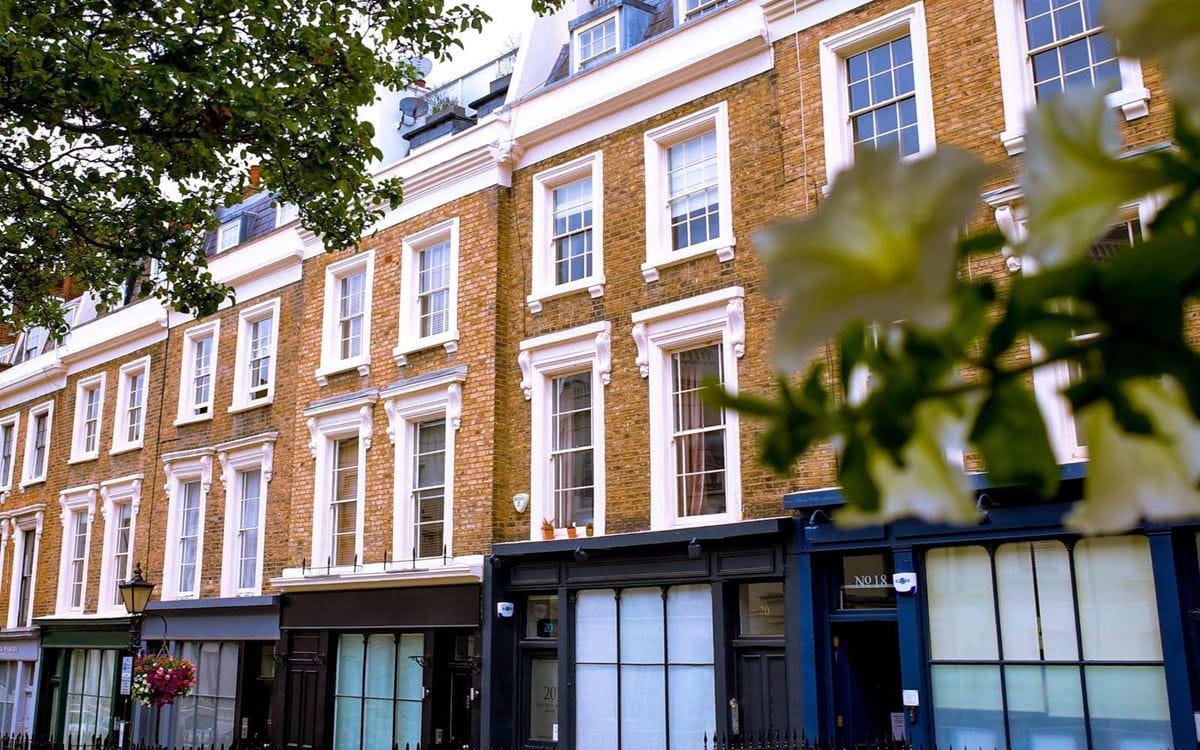
Property owners insurance covers buildings you own as an investment rather than occupy yourself, such as blocks of flats, mixed-use buildings like shops with flats above, and let residential or commercial property. It usually combines buildings cover, loss of rent and property owners' liability, with optional covers for common parts, terrorism and engineering inspection.
PIB Insurance Brokers arranges cover for property investors, freeholders, residents' management companies and landlords with mixed portfolios. A broker can be particularly helpful when the building is more complex, for example a block with shared areas and a lift, commercial and residential tenants in one building, an older or listed building, or several properties on one policy. If you let shops, offices or industrial units, see our commercial landlord insurance; for houses and flats let to tenants, our landlord insurance; and for several let homes on one policy, our multi-property landlord insurance.
What property owners insurance covers
Property owners policies usually combine a core of essential covers with optional extras, depending on the building, who occupies it and the leases. The summaries below are general examples of what may be covered in each section; your policy schedule and wording decide what is and isn't covered in any claim.
Core covers
Buildings
The structure and fixed fittings, such as kitchens and bathrooms, against fire, flood, storm, escape of water, subsidence, theft and malicious damage.
Watch for: A sum insured based on market value rather than rebuild cost, and restricted cover if the property is empty beyond a stated period.
Loss of rent
The rent you lose while tenants can't live in or use the property after an insured event such as a fire or flood, and sometimes the cost of rehousing tenants.
Watch for: A cover period too short to repair and re-let, and rent lost for reasons other than insured damage, such as tenants not paying (see rent guarantee).
Property owners' liability
Claims from tenants, visitors or members of the public who are hurt, or whose property is damaged, because of the building, such as a fall on a broken stair or a slate falling from the roof.
Watch for: Claims from your own staff (covered by employers' liability), defects you knew about and didn't fix, and liability you've taken on by contract.
Common parts
Fixtures and contents in shared areas, such as entrance halls, stairwells, lifts and car parks.
Watch for: Items belonging to leaseholders or tenants, which they insure themselves.
Optional covers to consider
Terrorism
Damage and lost rent caused by terrorism, which standard property cover usually excludes. Some lenders and leases require it.
Watch for: Usually bought as a separate policy; terms depend on location and the sums insured.
Engineering inspection
Thorough examinations of lifts, boilers and pressure systems that the law requires on a set schedule, for example every six months for passenger lifts. Note: This is an inspection service, not insurance, and isn't regulated by the FCA.
Watch for: Inspections are separate from breakdown cover and don't pay for repairs.
Equipment breakdown
Sudden failure of lifts, boilers, door entry systems and fire systems in shared areas.
Watch for: Breakdowns caused by lack of servicing, wear and tear, equipment beyond a stated age.
Directors' and officers' liability
For directors of a residents' management company, claims alleging wrongful acts in running the company.
Watch for: Claims known about before the policy started, and fraud or deliberate wrongdoing.
Empty properties
Cover for properties between tenants or awaiting sale, usually on different terms from let properties. See unoccupied property insurance.
Watch for: Conditions such as regular inspections and draining down water, and restricted cover beyond a stated number of days.
Legal expenses
Legal costs for some disputes, such as with tenants, neighbours or contractors, and some property disputes.
Watch for: Disputes that began before the policy started, claims below the policy excess.
Blocks of flats and mixed-use buildings
For blocks of flats, responsibility for arranging buildings insurance will generally be set out in the lease. Depending on the arrangements, this may be arranged by the freeholder, residents' management company or another party, with the cost potentially recovered from leaseholders through the service charge. Individual leaseholders will typically need to consider their own contents and other insurance requirements separately.
In a mixed-use building, tell your insurer what each commercial tenant does. A trade such as a takeaway below flats may change the cover and the price.
What property owners insurance does not cover
Typical limits across property owners policies:
- Problems that existed before the policy started: known damage and ongoing disputes are usually excluded.
- Wear and tear: buildings, fittings and contents wearing out over time isn't insurable damage.
- Poor maintenance: damage caused by defects that weren't repaired, such as a leaking roof or blocked gutters, may be excluded.
- Leaseholders' and tenants' own property: their contents and improvements are usually their responsibility.
- Undeclared uses or trades: claims may be reduced or refused if a use or tenant's trade wasn't declared.
- Empty units: cover is usually restricted once a unit has been empty for a stated period, often 30 or 60 days.
- Underinsurance: if your sums insured are too low, the insurer may reduce a claim in proportion (known as average).
- An excess on most claims: most covers carry an excess (the amount you pay before the insurer contributes), which varies by cover.
Conditions matter too: claims may also be reduced or declined if policy conditions aren't met. Common examples: lifts or boilers not inspected on schedule, fire safety measures in shared areas not maintained, or a change of use not declared.
How much does property owners insurance cost?
There is no standard price. What you pay depends on the rebuild cost, the building's age, construction and location, how it's occupied, commercial tenants' trades, fire protection and security, whether any units are empty, and your claims history.
What affects the cost
- A clean claims record: insurers usually look at the last three to five years.
- Construction and fire safety: buildings of standard construction with fire alarms and maintained fire doors may cost less to insure.
- Commercial tenants: trades such as cooking below residential flats may increase the cost.
- Accurate values: an up-to-date rebuild valuation can help reduce the risk of underinsurance or setting the sum insured higher than necessary.
- Your excess: choosing a higher excess (the amount you pay towards each claim) may lower the premium, the price of your cover.
Why work with PIB Insurance Brokers
We explore your options
We can approach insurers that cover investment and let property and set out the differences in cover, not just price.
We look at the building
Shared areas, a lift, commercial tenants below flats or units that are sometimes empty may each change what you need to tell your insurer.
We look for common gaps
A rebuild cost below the true figure, no engineering inspection for lifts and boilers, or cover that doesn't match what the leases require.
Here when things change
Our team is on hand throughout the policy year for advice, whether your circumstances change or you're not sure what to do next.
What our clients say
Reviews from PIB Insurance Brokers clients across the sectors we work with, collected by Reviews.io.
Own a block, a mixed-use building or a let property? Check your cover fits.
Get a quoteFrequently asked questions
What is property owners liability insurance?
It covers your legal liability as the owner of a building for injury to people, or damage to their property, caused by the building, such as a fall on a broken stair or a slate falling onto a car. It's usually part of a property owners or landlord policy. It's different from public liability, which covers claims arising from running a business.
Is property owners insurance the same as buildings insurance?
Not quite. Buildings insurance covers damage to the structure. Property owners insurance is usually a package for let or investment property that includes buildings cover plus loss of rent and property owners' liability, with options for common parts and engineering inspection.
Who insures a block of flats?
Responsibility for buildings insurance is generally set out in the lease. Depending on the arrangements, it may be arranged by the freeholder, residents' management company or another party, with the cost potentially recovered from leaseholders through the service charge. Leaseholders will typically need to arrange their own contents insurance separately.